Friday, September 20, 2024

Unveiling the Global Crisis of Air Pollution and Poverty

Unveiling the Global Crisis of Air Pollution and Poverty

By: Natalie Chavez

Table 1. PM2.5 exposure headcounts at different poverty thresholds

 Tackling the Global Crisis

Our air pollution, highlighting PM2.5 (fine particular matter), has since posed a serious risk to human health. A study done by Jun Rentschler and Nadezda Leonova highlights the connection between air pollution and poverty. The article stated that almost 7.3 billion are exposed to unsafe air quality, the majority living in lower income countries. This blog recites the key findings of the study, emphasizing the crossroad between poverty and air pollution. Poorer communities are likely to be exposed higher pollution levels with low quality due to heavy industrial zones, urbanized areas and polluting industries. This study used high-resolution data to link the air pollution exposure to poverty. Satellite pollution data and World Bank poverty estimates, they calculated the amount of people exposed to unsafe air and they poverty thresholds. The study showed that lower income communities are disproportionately affected by unsafe air quality.The study used datasets to be able to calculate population exposure with unsafe PM2.5 levels and connected them to poverty thresholds with the average individual living off of $5.50 a day or less. Jun Rentschler and Nadezda Leonovas approachemphasized the large connection between modernization, industrialization, and increased pollution exposure to the lower income population. 

Key Findings

To address the harmful effects of both air pollution and poverty, immediate global action is requiered. Cleaner technology, stricter regulations on air quality, and emphasis on improved healthcare systems and accessibility to low-income regions. Investing in sustainable urbanization and promising better healthcare to affected populations, 

Rentschler, J., Leonova, N. Global air pollution exposure and poverty. Nat Commun 14, 4432 (2023). https://doi.org/10.1038/s41467-023-39797-4


Thursday, September 19, 2024

Water Out of Thin Air

 By Israel Abel Adame

Image of polluted atmospheric humidity being collected, filtered, and made drinkable (source: Levana Public School https://levanapublicschool.com/harvester-pulls-record-amount-of-drinking-water-out-of-thin-air/)

Harvesting fog water may not be a new concept to mankind. However, the researchers in this article were not only able to harvest the fog water with great efficiency but also removed pollutants from it. This technology can make the idea of having a sustainable, clean water supply for those living in areas where there is none a reality. The unique aspect of this research is the coatings that were added to the wire mesh harvester. The coatings that the researchers engineered, were chemical coatings that break down molecules when exposed to light, one hydrophobic and the other hydrophilic. These coatings have nanoparticles of TiO2 and other compounds that can break down organic compounds in the water such as diesel. The ability to harvest fog water and degrade the pollutants within with great efficiency can advance environmental sustainability by allowing us to provide drinking water without overusing lakes and rivers and by removing the pollution that exists in the air. If this technology can be used on a large scale, water can be provided to those in rural areas where water may not be available. This could help reduce or eliminate the pollution caused by large vehicles that have to deliver this necessity while at the same time removing what is already there.   

Ghosh R, Baut A, Giorgio Belleri, Kappl M, Butt H-J, Schutzius TM. 2023. Photocatalytically reactive surfaces for simultaneous water harvesting and treatment. Nature sustainability. 6(12):1663–1672. doi:https://doi.org/10.1038/s41893-023-01159-9.


My House is Made of Plants?

By Jorge Sanchez

(Carcassi et al. 2022)


Humans are producing gasses that are being released into the atmosphere at an alarming rate, and it's affecting climate change each year. Researchers have a solution to reduce climate change starting with our homes! The construction material that built our homes can be mixed with plant based materials like timber and bamboo materials. These plant based materials can achieve the same quality as cement structures. It preferable for humans to slowly replace cement construction materials with more plant based materials, since it would be less harmful for our atmosphere, and prevent unnecessary pollution from spreading into environment. Though, bamboo and timber would be more costly to transport, and the amount of plant based materials needed to achieve the same results we can get with cement hardly makes it worth the effort to change. Imagine the simple changes we can make to the environment by starting with something as small as plants, like changing the hot climates around the world.


Original Article: 

Carcassi OB, Habert G, Malighetti LE, Pittau F. 2022. Material diets for climate-neutral construction. Environ. Sci. Tech. 56(8): 5213–5223

Every Drop You Save, The Planet You Pave: Researchers in China Working To Optimize Food Production To Improve Water Sustainability

By Joel Martinez


Image of the food product optimization model that was provided by the researchers to help with the problem of water scarcity.
Figure taken from Miaoye Et al. 2024

       Food production is extremely important in the development of the economy, social stability, and for human surivival. With food production, however, comes the use of large quantities of water to help in this process. Climate change has created an global problem in the uneven distribution of water resources, and many countries that are powerhouse food producers are experiencing water stress. 
    Researchers in China worked together to construct a framework for a water footprint life-cycle assessment on the basis of the production of grain crops and animal products specifically during production, consumption, and transportation, as well as to propose a model that aims to optimize food production while maintaining food security and reducing the use of water in this process. The optimal model shows that the food sources of focus are grain crops and animal products, as China is responsible for about 25% of grain production globally. Grain crops and animal products do have a relationship, as animals consume grains in their feeding stages. In the water footprint, a blue water footprint represented the water used in irrigation, while the green water footprint represented the precipitation in crop growth.
    Results of this study showed that China's blue water footprint was largely responsible for the total footprint value of 820.8 billion m3, as well as North China's footprint being larger than the south. The optimization model discussed by the researchers shows that optimization can be reach by decreasing the total water footprint of China and stabilizing the difference between the footprint of the two regions of the country to ensure that water stress is limited and that this resource is able to be sustained for much longer.


Original Article: 


Miaoye K, Yicheng W, Yognan Z, Fan H, Shan J, Mingming Y. 2024. Optimizing the structure of food production in China to improve sustainability of water resources. Science of The Total Environment 900: 165750 - 165761. https://doi.org/10.1016/j.scitotenv.2023.165750


Water Reuse to the Rescue!

Water Reuse to the Rescue!

By Jose Chavana

 Results show microalgae concentrations and recovered water percentage with membrane microfiltration and centrifugation practices under different rotation cycles and reused water percentages. Figure taken from Carone Et al. 2024.

    Regardless of their microscopic size, microalgae are noted for their capacity to accumulate large numbers of essential organic compounds (carbohydrates, lipids, and proteins), pigments, and vitamins, earning them the recognition as favorable feedstocks to food, cosmetic, and biofuel industries. Such industries consider Galdieria sulphuraria a significant microalgae species, as it can provide individuals with valuable compounds such as the phycobiliprotein C-phycocyanin. However, G. sulphuraria naturally requires cultivation with low pH conditions, like sulphuric acid, leading to the discharge of illegal exceeding amounts of acidic wastewater into freshwater surfaces. As an alternative, Carone and colleagues researched water reuse as a new cultivation medium. The results show that 25% of water reuse is easily implemented and shows effectiveness on the pilot scale, providing no changes in microalgae growth or in phycocyanin accumulation following three cultivation cycles in reused water. On the other hand, a single cultivation cycle with water reuse consisting of percentages of 71 and 98% with membrane filtration and centrifugation, respectively, was also effective. This research could be considered an advancement in environmental sustainability as it focuses on utilizing reused water for cultivating G. sulphuraria, reducing the implementation of dumping wastewater into freshwater surfaces, thus reducing harm to freshwater ecosystems while keeping industries relying on these microalgae species on a stable economy. 

Carone M, Malaguti M, Zanetti M, Tiraferri A, and Riggio VA. 2024. Towards sustainable water management for Galdieria sulphuraria cultivation. Science of the Total Environment 950: 175267-175275. 


Mesquite; a sharp impact

 By: Amerith Flores


Figure 1: Visual graph of the eventual spread of P.juliflora according to the 2 predicted outcomes used by the study. Figure taken from Sintayehu et al. 2020. 


Prosopis juliflora, also known as mesquite, has been spread throughout the world as an invasive species. This was serious as it outcompeted species native to the area. Sintayehu and colleagues studied the effects of mesquite in Ethiopia as climate change has enabled it to be widespread. Being able to predict the spread of this P. juliflora and protect the native habitats as well as the livelihood and livestock of the people who live there was an important element of this study. Mesquite had been introduced in the 1970s to provide firewood as an economic source and to battle desertification. It was soon found out that it overcrowded the native species from chemicals in the P.juliflora, allowed a hiding place for lions, and damaged native and domestic animals even leading to some deaths. In general, the mesquite was more of a sharp thorn in the side of the Ethiopians. Sintayehu and colleagues designed the study to be able to see how far the invasive species would spread by 2050 and in 2070 by basing it upon 2 models. One was where the best predicted climate change scenario where the climate stabilized and there were very little pollutants and a second region where there was high greenhouse gas and pollutants. As shown in figure 1, if climate change worsens, mesquite has a higher chance of spreading and so, there should be more measures to slow the spread. This study highlighted the importance of managing invasive species to prevent bigger problems and to protect a nations environment and economy.


Sintayehu, Dejene W.,Gemedo Dalle, Arbo F. Bobasa. Impacts of climate change on current and future invasion of Prosopis juliflora in Ethiopia: environmental and socio-economic implications. Heliyon 2020;6(8) DOI: 10.1016/j.heliyon.2020.e04596

Would You Love Plants if They Were a Worm? The Potential of Vermicompost

By: Yesnia Solis


Figure 1. Hands showing soil with worms in it, possibly vermicompost. 
Forest Gardens. Vermicompost. Salt Spring: Salt Spring Soil. [accessed 2024 Sep 19]. https://www.saltspringsoil.ca/products/vermicompost

Excessive agricultural practices have depleted the soil of nutrients in lots of land and caused soil degradation. As a way to solve this problem, which would cause massive food insecurity if not solved, humans have been using inorganic fertilizers to replenish nutrients in the soil or simply to make plants grow quicker and stronger. However, using these fertilizers has done more damage than good, causing soil erosion, deteriorating the soil structure, and disrupting the plant's natural processes by interfering with nitrogen fixation and leaching. That is why a proposed solution to replenish the soil and sustain the food demand is vermicompost. Vermicompost could be used as an organic fertilizer as it is manure rich in nutrients and humic substances that enhance chemical reactions and microbial activity, which is beneficial to the plant. The best part of vermicompost is that you don’t need a ton of chemicals and synthetic processes to make it; you just need worms and some microbes. These small organisms decompose organic waste and release nutrients via natural processes such as bio-oxidation, making it a sustainable and eco-friendly solution. If we were to use vermicompost more than inorganic fertilizers, not only would we be replenishing nutrients without damaging the ecosystem, but also bio-recycle organic waste and recover natural processes.


Original Article: 

Manzoor A, Muhammad SN, Rana MAA, Muhammad AN, Maqsood UH, Muhammad S, Sadam H, Muhammad F. 2024. Vermicompost: A potential organic fertilizer for sustainable vegetable cultivation. Scientia Horticulturae. 336 1-17. https://doi.org/10.1016/j.scienta.2024.113443 

The Fight Against Microplastics!

By: Marco Flores

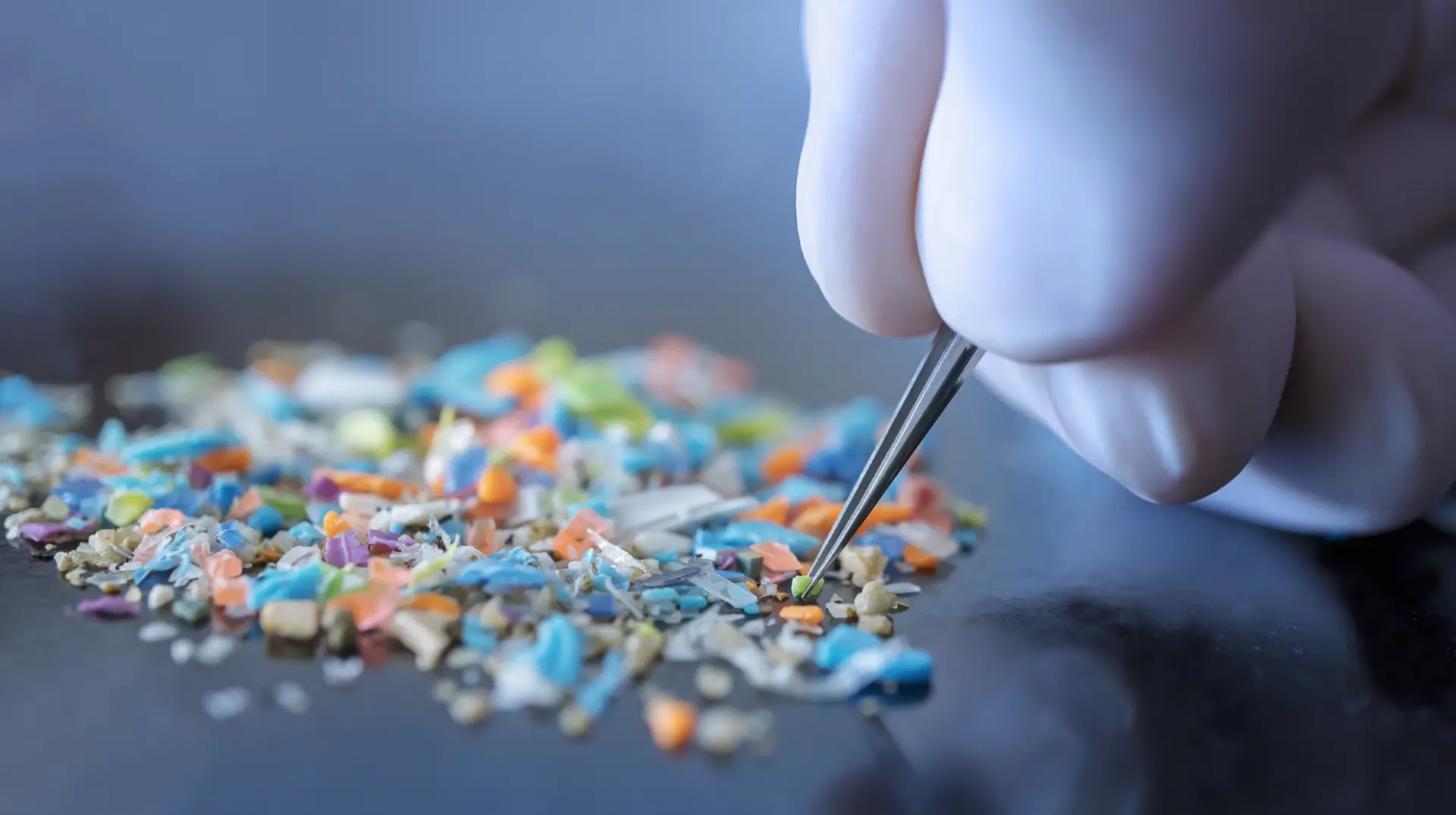
The image above represents microplastics

(N.d.-b). Mensjournal.com. Retrieved September 19, 2024, from https://www.mensjournal.com/.image/c_limit%2Ccs_srgb%2Cq_auto:good%2Cw_1400/MjA5MzMyNzg4NzI4NDQwMDE0/person-with-medical-gloves-handling-microplastics-with-tweezers.webp


Microplastics are everywhere nowadays, and their proliferation has caused major problems for the Earth and living beings. But what can be done to curb the effects? The article I found that was published by the Journal of Environmental Science has laid out several ways to remedy the impact of microplastics on the environment. These findings include regulatory measures to ensure the usage of microplastics/microbeads in consumer products is banned, that way we get to the source of the issue. Another proposal that was found was to recycle microplastics into construction and composite materials in order to improve their flexibility and insulating capabilities. By converting these byproducts into useful materials, we can ensure that they do not stay in our environments longer than they should. Public awareness is another great way to help limit the effects of microplastics by alerting the public about the hazards of microplastic pollution, the people themselves can under why microplastics wreak havoc on the ecosystems on Earth and can help foster discussions on other ways to combat microplastics. If these options are explored we are able to become to sustainable in our efforts against microplastics, by allowing less plastic waste there won't be much microplastics to begin with therefore halting the cycle.  The only flaw I have with these proposals is the fact that if we recycle the microplastics into new materials, who is to say they won't return back into the environment and start the whole cycle again. By exploring these methods, we have a chance to fight back against microplastic pollution and make a difference in our planet.


5. Thacharodi A, Hassan S, Meenatchi R, Bhat MA, Hussain N, Arockiaraj J, Ngo HH, Sharma A, Nguyen HT, Pugazhendhi A. Mitigating microplastic pollution: A critical review on the effects, remediation, and utilization strategies of microplastics. Journal of Environmental Management. 2024;351:119988. https://www.sciencedirect.com/science/article/pii/S0301479723027767#sec. doi:10.1016/j.jenvman.2023.119988 

How Last Night's Leftovers Could Become Tomorrow's New Clean Energy Source

 By Fernanda Castillo

    Have you ever given thought to what happens when you order too much takeout and throw the rest away? One of the most prevalent contributors to excess global waste is food waste. Megatons (millions of tons) of food are thrown away each year due to restaurants, food processing, and of course, household waste (EPA 2021).

A Promising Solution:

    Various studies have found that it is possible to turn food waste into energy by using anaerobic bacteria (bacteria that don’t require oxygen) to break down organic matter. This method creates methane, except the gas is trapped and then used as energy! However, these studies ran into a problem— the bacteria cannot properly digest food waste because it is too high in salt and fat. So, one study found a sustainable way to improve the methane production from the bacteria. In addition to anaerobic digestion (AD), the study used a microbial electrolysis cell pretreatment (MEC). The microbial electrolysis cell uses microbes to produce electrons and protons from the breakdown of organic matter, which is then converted into hydrogen. The study created an AD-MEC reactor, and found that methane production doubled compared to AD alone or AD with an electron mediator. AD alone yielded 330.6 mL of methane after 30 days, the MEC- absent reactor yielded 380.19 mL of methane after 30 days, and the AD-MEC reactor yielded 710.79 mL of methane after 30 days. These findings suggest that the reactor was successful in breaking down the food waste that was high in fat and salt content, unlike previous studies (Deb et al. 2024). 


A diagram of the AD-MEC reactor (Deb et al. 2024)

So, why does it matter? It's just food, doesn't it decompose?

    Food waste is the most common material in landfills. Rotting food in landfills produces methane, an extremely potent greenhouse gas that is even more harmful than carbon dioxide. The findings in this study create a way to maintain levels of greenhouse gasses by reducing the amount of landfilled food waste.

    Of course, further research is needed to identify the best way of implementing these findings in food waste management. This technology is promising for future integration of more environmentally sustainable energy sources and effective waste management. 


Deb N, Rahman T, Alam Z, Jami MS, Mansor MFBt. 2024. Efficient technology for food waste valorization: an integrated anaerobic digestion—microbial electrolysis cell for biomethane production. Int J Environ Sci Te. doi:

https://doi.org/10.1007/s13762-024-06011-x.


US EPA. 2021 Nov 17. From Farm to Kitchen: The Environmental Impacts of U.S. Food Waste. https://www.epa.gov/land-research/farm-kitchen-environmental-impacts-us-food-waste.

Good or Bad Packaging?

 By Karen Hernandez


Image from "What consumers really want from soft fruit packaging" by the Royal NNZ Group BV

    How prone are we to buying a product for the convenience or look of its packaging? Researchers in Nepal wondered if there was any correlation between the look, function, and description of a product's packaging and the probability of a consumer opting for it rather than the same product with a different packaging. The study was done over five months in various supermarkets, farmers' markets, and convenience stores in Nepal. The participants of this study were customers seen buying produce; this pool was extensive as it covered people ages 18 to 65 and older. The participants were then asked if they preferred any packing for their produce and why they chose that specific product from the competition. The most common answers were those who said that they preferred packaging that was easier to recycle or reuse at home, that was able to let them see the contents of the product, and that packaging was more accessible and more convenient to use. The experiment concluded that younger audiences often prefer greener packaging that can be recycled or reused, even if this is a higher product price. This suggests that global audiences may think the same, and it urges big companies and producers to switch to more sustainable and environmentally friendly packaging as it is rising in popularity among the younger generations; this could cause their sales to increase and help the environment.  


Giri, A., & Chaulagai, T. R. 2024. Enhancing sustainable agriculture through innovative packaging: consumer preferences and willingness to pay in the Nepalese market. Cogent Food & Agriculture10(1). 

Say Goodbye Textile Dyes: How Flowers Can Purify Polluted Water


By: Diana Elisa Nuno


Image of the model pollutant, Methylene Blue (Left), and flower collected, Tagetes Erecta (Right).                              
(Source: The Blue Bottle Chemistry Demonstration by Anne Marie Helmenstine, https://www.thoughtco.com/blue-bottle-chemistry-demonstration-604260, Tagetes by Wikipedia https://en.wikipedia.org/wiki/Tagetes.)


Flowers, often recognized as a gift of nature with vibrant colors and sweet aromas are being utilized for something remarkable: reducing textile dyes from water. Flowers such as the the African Marigold (Tagetes erecta), are used in many religious celebrations in India. These flowers are used for celebrations all year round, creating an immense amount of flower waste that is difficult to dispose of and often ends up in rivers or landfills, reducing water quality.

Additionally, contaminants created by colorants, such as methylene blue are known to pollute water. While these dyes can be carcinogenic, they are also known to deplete water quality for ecosystems and human consumption. With these issues, the researchers of this article collected floral waste from religious temples and created an activated charcoal to absorb the model pollutant, methylene blue. While dried flowers have low absorption rates of pollutants, the method of pyrolysis was utilized, in which the floral waste was heated without the presence of oxygen, producing a biochar to absorb pollutants and purify water. The results of this study displayed that the biochar created by flower waste through direct pyrolysis has the potential to reduce harmful waste and chemicals in water, making it a sustainable option to prevent further degradation of freshwater ecosystems. 

Overall, this advances environmental sustainability by simultaneously managing two environmental sustainability issues: the pollution of colorants contaminating water and preventing floral waste from impacting ecosystems.


Original Article: 


Agarwal S, Rana N, Bhardwaj P, Tiwari GN, Yadav AK, Garg MC, Mathur A, Tripathi A. 

 2024. Removal of methylene blue azo dye from aqueous solution using bioabsorbent developed from floral waste. J. Environ. Biol.[accessed 2024 September 17];  45 (1): 54-61. http://doi.org/10.22438/jeb/45/1/MRN-5121 .


Bats in the Belfry: How Building Structures Can Increase the Risk of Bat-Human Exposure


By: Mariel Trejo


Image above shows a free-tailed bat, or Molossid bats, that was caught with its wings being stretched out.
Moloso gris de orejas anchas. Barquez R. 2017.  [accessed 2024 Sep 19]. https://www.inaturalist.org/guide_taxa/1917780#ref2.

    ‌The Sustainable Development Agenda from the United Nations has greatly helped the modernization of homes in underdeveloped areas. A couple of goals are for the sustainable use of ecosystems and to build sustainable communities. In any part of the African continent, free-tailed bats can be commonly found, but they are known to be carriers of diseases, like the coronavirus. Through the modernization of homes in parts of Southern Kenya, these bats have found new artificial roosting spots. Lunn and her team’s goal of their study was to figure out which type of homes were susceptible to bat occupations. Their methods consisted of observation and evidence of bat occupation, and homeowner reports of bat presence. Their study found that homes with a modern-style build had a higher chance of bat occupation than traditional styles. Modern-style infrastructure, like beams, provided an ideal roosting environment than common traditional thatched-roofs. Additionally, triangular roof types were more likely to be occupied than flat roofs. This study highlights sustainable development of homes, however, alteration to physical ecosystems could affect the behavior of animals. While this study focused on the potential human health risks, this could also influence bat populations, either through growth because of increased roosting sites or declination through pest control measures. When looking at sustainable solutions, it is important to account for all species and their roles in providing ecosystem services.

Lunn TJ, Jackson RT, Webala PW, Ogola JG, Forbes KM. 2024. Modern building structures are a landscape-level driver of bat-human risk exposure risk in Kenya. Front Ecol Environ. 1(1).

Rain After Drought Causes Stomach Issues Without a Doubt!

 By: Astrid Salcedo

Graphical abstract depicting the effects of heavy rainfall following dry periods on stomach health. Image taken from Shichao Du et al. 2024

In Texas, when it rains, it pours especially in recent years where climate change has caused more frequent and high levels of rainfall following dry periods. The study conducted by Shichao and colleagues throughout Houston, Dallas, San Antonio, and Austin is important since stomach illnesses are not widely considered to be associated with heavy rainfall. Shichao and colleagues detected high levels of infectious agents on surface water in the two weeks following an extreme rainfall event. Even though Houston had the highest average daily rainfall, a discrepancy in Shichao and colleagues' data showed that Dallas had the highest stomach-illness-related hospitalizations which is most likely attributed to the city sourcing 100% of its drinking water from surface water. Stomach illness hospitalizations were higher among children ages 6 and under due to more exposure to recreational water sources including public swimming pools and waterparks. These findings provide further information on how extreme weather events directly affect human health while emphasizing the need for alternative water sources to prevent contaminated sewage water from entering drinking water sources. The tradeoff to finding other potable water sources is the significant time it would take to find and establish the source and the possibility of taking away other cities' resources. Since extreme rainfall events are expected to increase, these alarming results highlight the need to improve sustainable and adaptable strategies to support a future with fewer hospital visits caused by rain.

Original Article:
Du S, Chien LC, Bush KF, Giri S, Richardson LA, Li M, Jin Q, Li T, Nicklett EJ, Li R, Zhang K. 2024. Short-term associations between precipitation and gastrointestinal illness-related hospital admissions: A multi-city study in Texas. SOTTE Journal 951:1-9.

Transforming CO2 from a Liability to a Product

By: Samantha Garza

The picture represents a range of innovative technologies and processes for carbon dioxide utilization, showing both the promising applications and the challenges faced in transforming CO2 into valuable resources.


A recent study published in *Environmental Science & Technology* explores the innovative ways we can utilize carbon dioxide (CO2), transforming it from an environmental burden into a valuable resource. The research highlights several pathways for CO2 conversion, including established methods like recycling it into fuels and emerging applications in industrial filtration and material processing, such as iron and alumina production.


One unique aspect of this research is its focus on lesser-known utilization methods, showcasing their potential to significantly reduce greenhouse gas emissions while improving economic efficiency. By treating CO2 as a commodity, the study encourages industries to adopt technologies that can capture and repurpose CO2, advancing sustainability efforts in various sectors. The findings show that innovative applications of CO2 can not only reduce productions but also lower production costs, paving the way for a greener economy.


However, the study does note some trade-offs, such as the challenges of scaling these technologies economically. Overall, this research presents a powerful vision for how rethinking CO2 can lead to sustainable advancements, highlighting the importance of changing our observation of environmental pollutants. Embracing these technologies is fundamental for adopting a sustainable future, where minimizing carbon footprints can coexist with economic growth.


Original Article:

Valluri S, Claremboux V, Kawatra S. 2022. Opportunities and challenges in CO2 utilization. *Journal of Environmental Sciences*. 113:322-344. https://doi.org/10.1016/j.jes.2021.05.043.

Heavy Metal Contamination in Soil

 By: Sofia Hernandez

Image depicting soil being collected for testing
(source: https://www.atsdr.cdc.gov/safeplacesforece/success-stories/massachusetts-soil-contamination.html)

The article by Muhammad Basir-Cylo et al., 2021 looks at the contamination and pollution levels of heavy metals like copper (Cu), cadmium (Ca), and Mercury (Hg) in food crops and soil, with an emphasis on the effects these metals have on the environment and human health. The study set out to determine the concentrations of these harmful substances, identify their main sources--industrial processes and agricultural inputs--and evaluate how much is accumulated in food crops. In order to determine metal levels, the research used crop analysis and sampling techniques, and the results were compared to international safety guidelines. Significant contamination levels were found, which raised questions about food safety and the necessity for better regulations and monitoring to reduce the exposure of these contaminants in food crops. In addition to the health risks that these high levels of contaminants can cause, the elevated metal concentrations have an impact on soil quality, microbial activity, and general soil health. Heavy metals can interfere with nutrient intake and disturb physiological processes in plants, as well as affect plant development and production. Heavy metals have the potential to upset the natural equilibrium, influencing soil organisms and lowering biodiversity. The article emphasizes how difficult it can be to clean up heavy metal contamination and its potential long-term effects on the ecosystem. 


Ramlan, Muhammad Basir-Cyio, Mery Napitupulu, Inoue T, Alam Anshary, Mahfudz, Isrun,      M. Rusydi, Golar G, Sulbadana, et al. 2021. Pollution and contamination level of Cu, Cd,  and Hg heavy metals in soil and food crop. International Journal of Environmental Science and Technology. 19(3):1153–1164. doi:https://doi.org/10.1007/s13762-021- 03345-8. 

Transitioning to Renewable Energy: Step 1

 Thursday, September 19, 2024 

Transitioning to Renewable Energy: Step 1


By: Karime Holguin


Here in this image, you can see how every year the electricity generation keeps increasing. It shows us how we are using a lot of power of our non-renewable resources that cannot be replaced. (Afful-Dadzie et al. 2020)


We all know that using renewable energy is something that we all should be implementing but why haven't we been able to fully transition to renewable energy? The goal is to be able to reach multiple countries that will be able to enforce the use of natural resources. We can actually come up with a model that can evaluate a renewable energy target (Afful-Dadzie et al. 2020). A reason why we have not been able to transition would be because renewable energy has been seen to be a very costly process. Countries need to have adequate financial resources to be able to benefit from renewable energy (Afful-Dadzie et al. 2020). We also need to recognize that it takes a lot of space and specific areas to actually put the renewable resources to work. For example, Windmills need a large amount of land to work on.  Another focused part of this model is to actually renew the interest of renewable resources to countries. It is very easy to get a certain place or person to follow the rule if it is implemented in a policy. Due to the cost, we see that Australia and Ghana have not been able to move forward with this change (Afful-Dadzie et al. 2020). A new model is introduced in this study where the old version consisted of evaluating ecological development caused by human damage and will be changed to be more focused on other things (Afful-Dadzie et al. 2020). The new GEP model will consist of targeting renewable energy and generating capacity as well as investments (Afful-Dadzie et al. 2020). If we are able to combine our policy and be able to construct some investments with renewable energy, we may all be able to shift to renewable energy. This is the first step to continue with the change of our world. 


Citation: 

Afful-Dadzie A, Afful-Dadzie E, Abbey NA, Owusu BA, Awudu I. Renewable electricity generation target setting in developing countries: Modeling, policy, and analysis. Energy Sustain Dev. 2020; Available online 2020 Oct 5.


Climate change is affecting the spread of the spotted lanternfly.

Thursday, September 19, 2024

Climate change is affecting the spread of the spotted lanternfly.

By: Marisol Vazquez


Figure 1. The following graphs display four lanternfly population dynamics of (Lycorma delicatula). Graph A demonstrates the developmental rates of mobile insects and egg activity increase with rising temperatures. Graph B shows the rate of diapause, a state of suspended insect development, which increases at ideal temperatures but slows down with temperatures below -5 degrees Celsius. Graph C demonstrates the mortality rate. Graph D shows the rapid decrease of Lycorma delicatula eggs as you move further away from where the egg-laying occurred.

Figure taken from Lewkiewics et al 2024

Since 2014, the spotted lanternfly, originally from China, has caused significant concern to farmers and ecologists. The invasive pest is responsible for extensive damage to crops across the United States. In addition, climate change is causing long-term changes to the earth's weather patterns caused by human activity. The temperature variability also impacts the delicate balance in our environment, posing new challenges to our agriculture with the establishment, spread, and survival of the spotted lanternfly, as it is for most insects. The unpredictable temperature swings caused by climate change, such as long periods of extreme heat, accelerate the growth and spread of the spotted lanternfly. Alternatively, as cold periods become shorter, it is easier for the spotted lanternfly to find new habitats that were originally colder, inhibiting their survival. Recognizing and reporting infestations is critical to managing the spread of the pest. To protect our agricultural industries and environment, it is crucial to innovatively develop strategies to adjust to the evolving nature of our climate. Protecting our agricultural resources from the spotted lanternfly can prevent damaging crops, vineyards, and biodiversity to support environmental sustainability. 

Original article

Lewkiewics SM, Seibold B, Helmus MR. 2024. Quantifying population resistance to climatic variability: The invasive spotted lanternfly grape pest is buffered against temperature extremes in California. Ecological modeling. [accessed 2024 September 3]; 497(110841) HTTP://dx.doi.org/10.1016/j.ecolmodel.2024.110841. doi:10.1016/j.ecolmodel.2024.110841


Household Food Waste: How Bad can it be?

By: Francheska Nicole Rodriguez 


Factors directly leading to food waste reduction intention and food waste reduction behavior: perceived values on sustainability, awareness of consequences, ascription of responsibility, social norms, and anticipated guilt. Figure taken from Ma et al. 2023.


    We all grow up hearing the following phrase: "Do not throw away your food!".  Many of us simply brushed it off by sarcastically whispering, "How bad can it be?". Little did we know, throwing away food is a serious environmental issue. To be more specific, a recent study  demonstrated that household food waste is now known to be the leading cause of global food waste. This is concerning because global food waste is one of many factors that increase global warming. An article written by Ma and colleagues addressed and brought forth potential sustainable solutions to alleviate global food waste. Their first step was to investigate the driving force that lead Chinese households to decrease their household food waste. Researchers were able to unveil it by obtaining 1090 valid responses from a questionnaire given to individuals from Chinese households. They were questioned in their regard for environmental consequences, responsibility to protect the environment, intentions to reduce food waste, and their behaviors that drove them to reduce food waste. The anticipative driving force showcased itself to be awareness of their consequences! As a result of this, Chinese households began to be more conservative in terms of food consumption. Although this study was only conducted in China, partaking in their environmental sustainability practices can be spread towards other countries by simply bringing awareness. This in turn can then begin to unveil new methods towards approaching food waste on a more clear and global scale. Next time you think of purchasing more food than needed and/or throwing away excess amounts of food, will you think, "How Bad can it be?" or will you take action?


Ma Y, Mamun AA, Ali MH, Hoque ME, Lili Z. 2023. Modeling the intention and adoption of food waste prevention practices among chinese households. Humanit Soc Sci Commun 10:1-12. doi: https://doi.org/10.1057/s41599-023-02348-9 

Renewable Energy: The Carbon Neutrality Superhero

Thursday, September 18, 2024

By: Cristina Tzintzun 


This image represents a degraded and lifeless environment at the bottom, while at the top a healthy environment is appreciated thanks to the use of clean energies. 

Navigating the new frontier of renewable energy. (n.d.). Newsweek. https://d.newsweek.com/en/full/2352788/green-energy.webp?w=961&f=1c9ffa7248931c416da1611cf96e4d78


This article proposes to reduce the use of fossil fuels and suggests investing in renewable energies that neutralize carbon levels in China. Renewable energies such as solar and wind do not emit carbon dioxide when generating electricity, while fossil fuels generate large amounts. It is necessary to reduce CO2 since in high concentrations it causes climatic alterations and contributes to global warming. On the other hand, the study highlights how factors such as urbanization, economic growth and socioeconomic variables are related to the emission of this greenhouse gas (Feng 2022). This is due to the high demand for energy, the high levels of industrial activity, the level of development and the investment capacity of a country. Findings showed how renewable energy, green bonds, trade openness, and R&D expenditures significantly influence improving environmental health in China. However, it was also found that economic development and urbanization increase CO2 levels in the atmosphere (Feng 2022). These findings promote environmental sustainability by exposing the benefits of investing in green technologies. It is shown that in the long term clean energy is a cheaper option and with better results. Using renewable energies will neutralize carbon emissions and reduce environmental impact. This prevents environmental costs that would have occurred if CO2 emissions were not neutralized. Therefore, the negative impact of industrialization growth and urbanization can be mitigated with investments in green finance, renewable energy and R&D. It is necessary to implement a culture with more environmental responsibility not only in China but in the world. Humanity must keep in mind that the well-being of the planet goes hand in hand with our own survival.


Haiyan F. 2022. The Impact of Renewable Energy on Carbon Neutrality for the Sustainable Environment: Role of Green Finance and Technology Innovations. Frontiers In Environmental Sciences.10(7):[16 p.].


Rise in Rice: Battling Arsenic and Cadmium Contamination using Biochar


 By Reynaldo Gonzalez

 Image depicts a general overview of the experiment's results. Shows how MMEB and MMCEB had positive results and increased yield in rice while also reducing the As and Cd levels in the rice grains. Figure taken from Islam et al. 2023.

         Arsenic and cadmium are two metals/metalloids (ML) which have played a role in the contamination of crops, such as rice. These contaminants have detrimental effects on plant health, such as reduction in plant growth and crop yield (Islam et al. 2023), and they pose a major threat to human and animal health when consumed through rice and other crops (Williams et al. 2009, Zhou et al. 2022). Arsenic consumption has been linked to many health conditions such as neurological and cardiovascular disorders, while cadmium has been linked to kidney and liver inflammation (Eick and Steinmaus 2020, Fatoki and Badmus 2022, Suhani et al. 2021). Though there are many complications in trying to reduce the prevalence of these MLs, Islam and his colleagues conducted an experiment in order to simultaneously reduce traceable cadmium and arsenic levels in rice fields, specifically on paddy soil, while also increasing the crop yield and quality using biochar. This study found that using a magnesium-manganese-modified eggshell biochar (MMEB) increased crop yield while also reducing the ML level in the grains of rice compared to that of the control groups (Islam et al. 2023). This demonstrates environmental sustainability by enriching soil health and increasing the prevalence of microorganisms which can specifically detoxify arsenic and cadmium (Islam et al. 2023).  Overall, this study demonstrates an eco-friendly way of promoting food security using biological components, such as egg shells in this study, and also promoting better soil health in their fields.


Islam MS, Zhu J, Xiao L, Khan ZH, Saqib HSA, Gao M, Song Z. 2023. Enhancing rice quality and productivity: Multifunctional biochar for arsenic, cadmium, and bacterial control in paddy soil. Chemosphere. 342 (140157).

Ampicillin in Soil? Earthworms to the Rescue!

by: Hania De La Fuente


The image displays two line graphs comparing the effects of ampicillin on soil and earthworms over 17 days. Graph (A) shows the concentration of ampicillin in soil and in soil with earthworms, while graph (B) illustrates the weight changes in earthworms over time. Figure taken from Gao et al. 2024.


    Antibiotics are used in cattle farming to ensure livestock health, but their overuse and the use of cattle dung as fertilizer have led to the accumulation of antibiotic-resistant genes (ARGs) in soil and wastewater, making pathogens in these areas multi-drug resistant and posing a significant threat to human health. This issue alarmed researchers Gao and colleagues, who then performed an experiment striving to decrease the contamination of ARGs in soil using very common soil dwellers: earthworms! The researchers placed earthworms in both uncontaminated and ampicillin-contaminated soils, observing that the earthworms in the contaminated soil gained weight more rapidly during the first few days of the experiment. The concentration of ampicillin and ARGs were also reduced in the soil containing earthworms. Moreover, the microbial population in the soil was altered by the presence of earthworms, with increased populations of the bacterial species Proteobacteria and Cyanobacteria being observed. These effects led to the conclusion that not only do the earthworms decrease the ampicillin concentration of the soil, reduce the presence of ARGs, and modify the soil’s microbiota, but they also prosper in the contaminated soil, as evidenced by their weight gain. These results show that using earthworms for bioremediation is an eco-friendly and cost-effective method to clean contaminated soils. They also show how earthworms mitigate the environmental impact of antibiotic overuse in livestock farming. This study highlights the potential of using natural bioremediation methods, such as earthworms, to address the growing environmental and public health challenges posed by antibiotic overuse in agriculture.

Citation:
Gao X, Zhang H, Xu L, Wang L, Li X, Jiang Y, Yu H,  Zhu G. 2024. Impact of earthworms on antibiotic resistance genes removal in ampicillin‐contaminated soil through bacterial community alteration. J Environ Qual 53(4):521-534.