By: Marco Flores
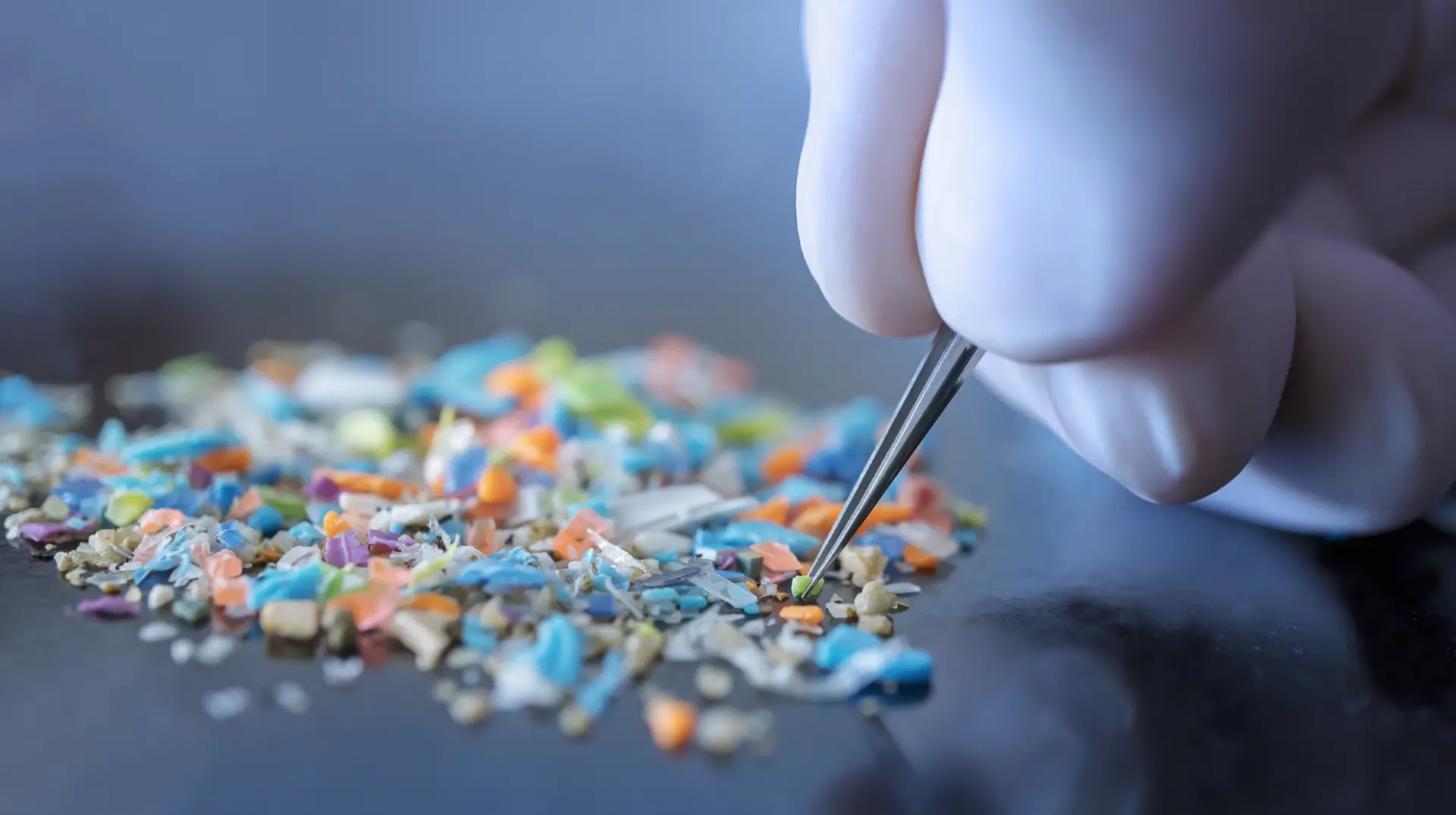
The image above represents microplastics
Microplastics are everywhere nowadays, and their proliferation has caused major problems for the Earth and living beings. But what can be done to curb the effects? The article I found that was published by the Journal of Environmental Science has laid out several ways to remedy the impact of microplastics on the environment. These findings include regulatory measures to ensure the usage of microplastics/microbeads in consumer products is banned, that way we get to the source of the issue. Another proposal that was found was to recycle microplastics into construction and composite materials in order to improve their flexibility and insulating capabilities. By converting these byproducts into useful materials, we can ensure that they do not stay in our environments longer than they should. Public awareness is another great way to help limit the effects of microplastics by alerting the public about the hazards of microplastic pollution, the people themselves can under why microplastics wreak havoc on the ecosystems on Earth and can help foster discussions on other ways to combat microplastics. If these options are explored we are able to become to sustainable in our efforts against microplastics, by allowing less plastic waste there won't be much microplastics to begin with therefore halting the cycle. The only flaw I have with these proposals is the fact that if we recycle the microplastics into new materials, who is to say they won't return back into the environment and start the whole cycle again. By exploring these methods, we have a chance to fight back against microplastic pollution and make a difference in our planet.
5. Thacharodi A, Hassan S, Meenatchi R, Bhat MA, Hussain N, Arockiaraj J, Ngo HH, Sharma A, Nguyen HT, Pugazhendhi A. Mitigating microplastic pollution: A critical review on the effects, remediation, and utilization strategies of microplastics. Journal of Environmental Management. 2024;351:119988. https://www.sciencedirect.com/science/article/pii/S0301479723027767#sec. doi:10.1016/j.jenvman.2023.119988

No comments:
Post a Comment