By: Samantha Garza
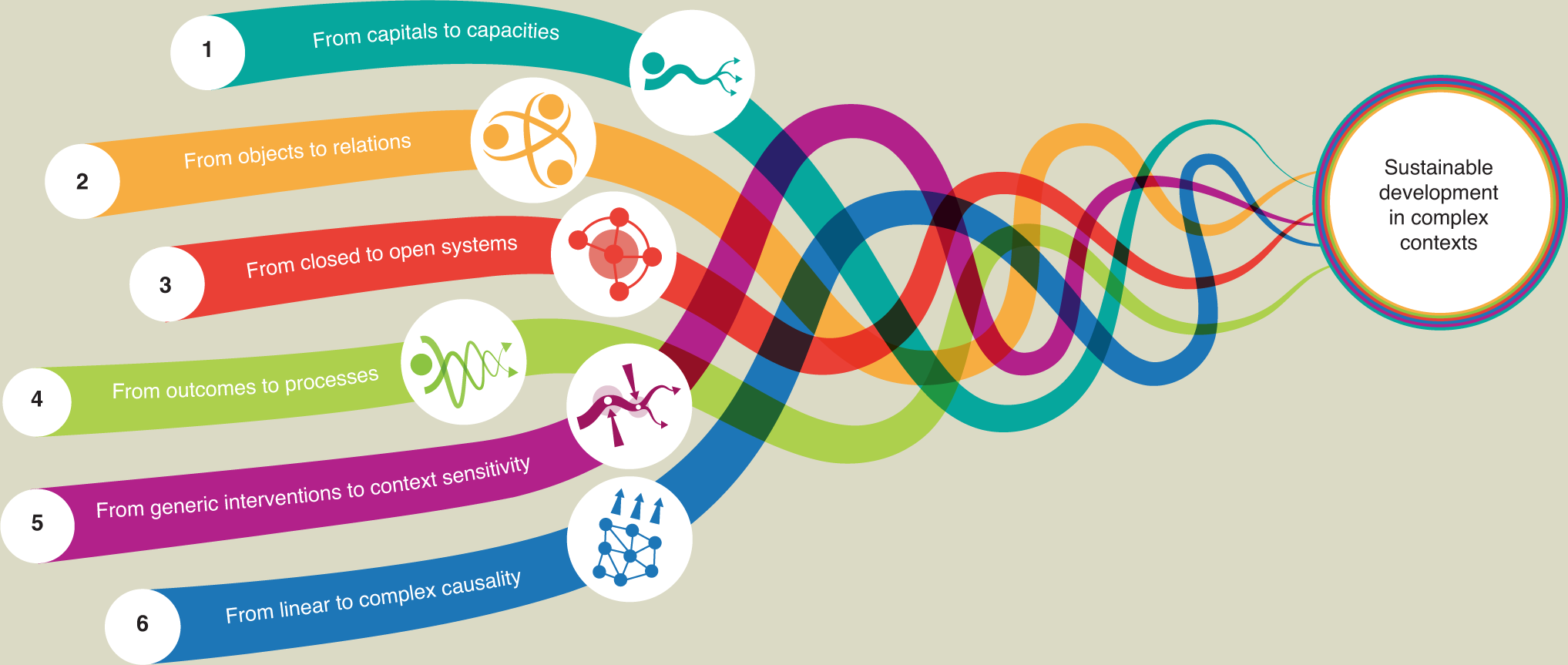 Image credit: Jive Media Africa
In a world facing unprecedented environmental crises, understanding bounciness has never been more crucial. Recent research highlights how resilience science is reshaping the way we approach sustainable development, moving beyond traditional methods to address complex and interconnected challenges.
Over the past decade, resilience science has moved into the mainstream of sustainable development, influencing significant changes in practice. This review identifies six essential shifts: From focusing on static capitals to dynamic capacities, from disconnected objects to involved relationships, and emphasizing processes over simple outcomes. These shifts acknowledge that sustainable solutions must consider the interdependencies of social and ecological systems, enhancing adaptability to change.
Advancing environmental sustainability, this research suggests that resilience provides a framework for fostering innovative approaches that can thrive amidst uncertainty, ultimately working towards the Sustainable Development Goals (SDGs). However, these practices may encounter trade-offs, particularly when overcoming the simplifications inherent in traditional developmental approaches.
In conclusion, integrating resilience into sustainability efforts could be transformative, guiding societies toward a more adaptable future that prioritizes ecological health and human well-being. This ongoing evolution in thought and practice demonstrates that addressing complexity is vital for genuine sustainable development, ensuring a balanced relationship between people and the planet.
Original Article:
Reyers, B., Moore, M.-L., Haider, L. J., & Schlüter, M. (2022). The contributions of resilience to reshaping sustainable development. *Nature Sustainability*, 5, 657–664. https://doi.org/10.1038/s41893-022-00889-6

No comments:
Post a Comment